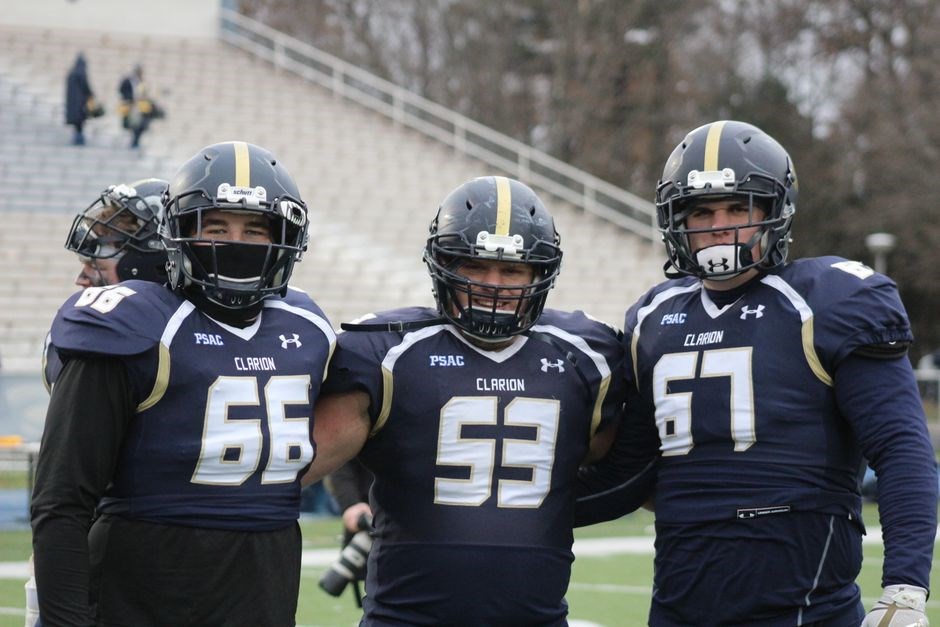
d1 college football workout program pdf
Overview of D1 College Football Workout Program PDF
Designed for Division I athletes, the PDF outlines a year‑long periodized plan featuring strength, conditioning, mobility, and nutrition․ It highlights progressive overload, sport‑specific drills, and recovery protocols, ensuring athletes peak for competition while minimizing injury risk․ and agility․
1․1 Purpose and Audience
The D1 College Football Workout Program PDF serves as a comprehensive blueprint for collegiate football teams seeking to elevate athletic performance through evidence‑based training methodologies․ Its primary purpose is to provide a structured, periodized framework that integrates strength, speed, agility, and recovery protocols tailored to the unique demands of Division I competition․ The document is designed for a dual audience: head and assistant strength‑conditioning coaches who require a ready‑to‑implement schedule, and student‑athletes who need clear, measurable goals to track progress throughout the season․ By aligning training loads with academic calendars and game schedules, the PDF helps teams maintain peak performance while safeguarding player health․ Coaches can use the included load‑management charts to adjust volume and intensity, ensuring that athletes reach optimal readiness for critical matchups․ Players benefit from explicit exercise selections, repetition schemes, and recovery guidelines that promote consistent gains in power, speed, and muscular endurance․ Ultimately, the PDF’s purpose is to standardize high‑quality training across programs, fostering a culture of accountability, data‑driven decision making, and continuous improvement that aligns with NCAA regulations and institutional expectations․ In addition, the PDF incorporates advanced monitoring tools such as heart‑rate variability tracking, biomechanical assessment checkpoints, and nutrition logs, enabling coaches to fine‑tune training variables in real time․ The resource also emphasizes injury prevention through targeted mobility drills, core stability work, and progressive overload principles, ensuring athletes remain resilient across the demanding college football calendar․
1․2 Historical Context
The PDF also incorporates advanced monitoring tools such as heart‑rate variability, biomechanical assessment checkpoints, and nutrition logs, allowing coaches to fine‑tune training variables in real time․ It emphasizes periodized macro‑macro cycles, aligning strength peaks with key contests, while integrating recovery modalities like cryotherapy, active rest, and sports massage․
This framework ensures training is scientifically grounded and practically applicable, enabling athletes to perform at peak levels during contests․

Core Components of the Program
Key elements include periodized strength blocks, high‑intensity conditioning, plyometric drills, mobility work, and nutrition guidance․ The PDF details overload, sport‑specific skill integration, and recovery protocols to maximize performance and reduce injury risk․
2․1 Strength Training Protocols
Division I programs employ a meticulously periodized strength cycle that aligns with the competitive calendar․ The cycle is divided into macro‑, meso‑, and micro‑phases, each with distinct load, volume, and intensity targets․ During the off‑season, athletes focus on hypertrophy and foundational strength, performing compound lifts such as back squats, deadlifts, bench presses, and overhead presses at 60‑75 % of one‑rep max (1RM) for 3‑5 sets of 8‑12 reps․ The in‑season phase shifts to maximal strength and power, with loads rising to 80‑90 % 1RM, 2‑4 sets of 3‑6 reps, and the inclusion of Olympic lifts (clean, snatch, and variations) to enhance neuromuscular efficiency․ Each week’s volume is carefully tapered to allow for recovery while maintaining neural adaptations․ Coaches track individual progress through digital load charts, ensuring that each athlete’s training load remains within safe thresholds․ Periodic testing—1RM, 3RM, and power clean velocity—provides objective data to adjust programming․ The program also incorporates accessory work: Romanian deadlifts, Bulgarian split squats, and weighted pull‑ups to address muscle imbalances and enhance joint stability․ Core stability is reinforced with weighted planks, Pallof presses, and anti‑rotation holds, integrating both isometric and dynamic components․ Finally, the protocol emphasizes movement quality over quantity, with strict technique guidelines and real‑time feedback from strength coaches to prevent compensatory patterns that could lead to injury․
Additional emphasis is placed on periodization, ensuring athletes peak at the right time․ The program’s design incorporates progressive overload, periodized volume, and strategic rest to optimize performance and reduce injury risk․
This structured approach also supports mental resilience, ensuring athletes maintain focus and confidence soon․
2․2 Conditioning, Speed, and Plyometrics
In Division I football, conditioning is split into aerobic endurance, anaerobic power, and sport‑specific speed work․ Coaches use interval training on turf or track: 400‑m repeats at 90‑95 % effort, 200‑m sprints with 30‑second recovery, and shuttle drills that mimic on‑field cuts․ Plyometric sessions feature depth jumps, bounding, and medicine‑ball throws, performed 2‑3 times per week to develop explosive force․ Speed work includes resisted sprints, sled pulls, and ladder drills, focusing on acceleration and change‑of‑direction mechanics․ Each session is periodized: the off‑season emphasizes volume (e․g․, 12‑15 km of running), the pre‑season shifts to high‑intensity intervals, and the in‑season focuses on short, high‑effort bursts․ Coaches monitor heart rate zones, lactate thresholds, and GPS metrics to adjust load․ Recovery protocols—dynamic stretching, foam rolling, and active recovery rides—are built into the weekly schedule to prevent overtraining․ The program also integrates sport‑specific drills such as blocking sleds and pass‑catcher agility circuits, ensuring that conditioning translates directly to game performance․ By balancing aerobic capacity, anaerobic power, and neuromuscular explosiveness, athletes maintain peak performance throughout the season while minimizing injury risk․
Training sessions are recorded in a digital load chart, allowing coaches to track weekly mileage, average heart rate, and perceived exertion․ Adjustments are made after each game to account for fatigue, ensuring athletes return to full strength before the next matchup․!!! !!
2․3 Flexibility and Mobility Routines
Flexibility and mobility are critical for injury prevention and performance in Division I football․ The PDF recommends a structured routine that begins with a dynamic warm‑up: high‑knee marches, butt kicks, and leg swings to increase blood flow and joint range․ Following the warm‑up, athletes perform sport‑specific mobility drills such as hip‑openers, thoracic rotations, and ankle stretches․ Static stretches are reserved for the cool‑down, targeting hamstrings, quadriceps, glutes, and calves with 30‑second holds․ Foam‑rolling sessions are integrated after each session, focusing on the IT band, quadratus lumborum, and lower back․ The program also includes yoga‑style sequences on recovery days, emphasizing deep breathing and core activation․ Mobility work is periodized: during the off‑season, athletes perform 20‑minute mobility circuits twice weekly; in the pre‑season, circuits are shortened to 10 minutes but increased intensity with resistance bands․ In‑season, mobility is incorporated into the 10‑minute pre‑game routine to maintain joint health․ Coaches track flexibility progress with goniometer readings and functional movement screens, adjusting the routine based on individual deficits․ This systematic approach ensures athletes maintain optimal range of motion, reduce muscle stiffness, and enhance overall athleticism across the season!
Daily mobility routines also incorporate hip circles, thoracic spine rotations, and ankle mobility drills․ Athletes perform 3‑5 sets of each movement, holding each stretch for 30 seconds, and repeat the circuit twice weekly during the off‑season․
Sample Weekly Schedule
Monday: Rest․ Tuesday: Strength (upper body)․ Wednesday: Conditioning (intervals)․ Thursday: Strength (lower body)․ Friday: Plyometrics & agility․ Saturday: Game day․ Sunday: Recovery (mobility, light cardio)․ Adjust load per weekly chart․ Add dynamic stretches and cooldowns
3․1 Monday to Sunday Breakdown
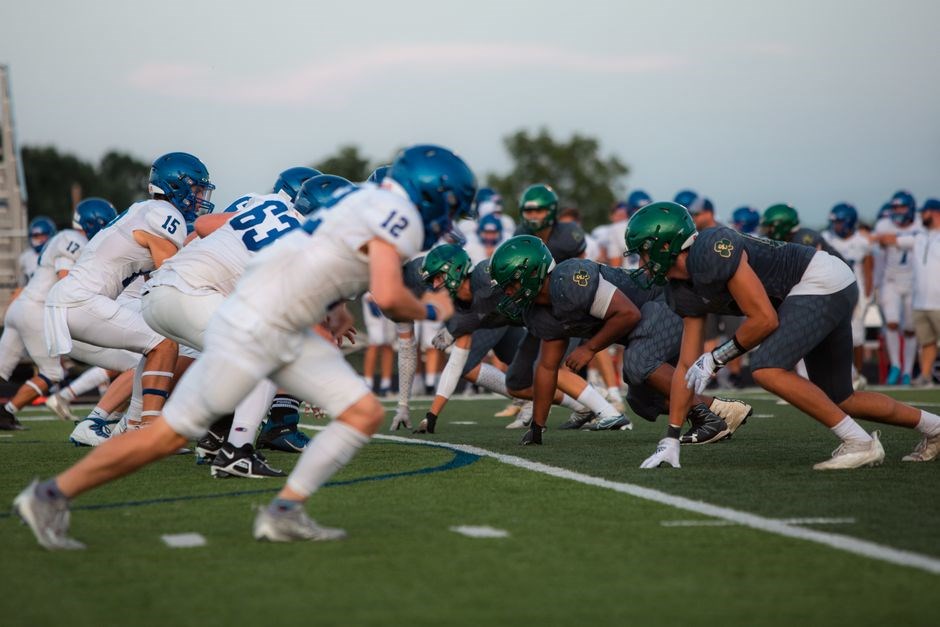
Monday – Recovery day: light mobility work, foam rolling, and a short 15‑minute dynamic warm‑up․ Focus on active rest, hydration, and nutrition to replenish glycogen stores․ Tuesday – Upper‑body strength block: 4 sets of 8 reps on back squats (50% of 1RM), 4×8 pull‑ups, 4×8 close‑grip bench press, 4×10 shoulder complex (bent‑over flys, side raises, front raises, high‑row, biceps to military)․ Wednesday – Conditioning: 12‑minute, 100‑yard strider intervals at 75% max speed, followed by 5‑minute cool‑down jog․ Thursday – Lower‑body strength: 4×8 deadlifts (50% 1RM), 4×10 leg press, 4×10 quad/hamstring machine sets, 4×10 calf raises․ Friday – Plyometrics and agility: 4‑set box jumps, 4‑set lateral bounds, 4‑set shuttle runs, 4‑set 3‑cone drill․ Saturday – Game day: pre‑game warm‑up, 15‑minute dynamic routine, 30‑minute practice, post‑game cool‑down and stretch․ Sunday – Post‑game lift: light warm‑up, 4×8 squats (50% 1RM), 4×8 pull‑ups, 4×8 close‑grip bench (185‑225 lbs), 4×10 shoulder complex, 4×10 quad/hamstring machines, 10‑minute isometric core, 12‑minute conditioning (100‑yard striders)․ All sessions include a 10‑minute cool‑down and static stretching․ Load progression follows a 4‑week macrocycle, with a 2‑week deload in week 5․ Nutrition: 1․5 g protein/kg, 5 g carbs/kg, 0․8 g fat/kg, 3 L water/day․ Recovery: 8–9 h sleep, active recovery, and weekly sports‑medicine check‑ins․ This schedule balances volume, intensity, and recovery to maximize performance while mitigating injury risk․ Throughout the week, athletes monitor heart rate zones, maintain a training log, and adjust loads based on fatigue scores․ The program emphasizes periodized progression, with each macrocycle culminating in a peak performance week before the season opener․ Coaches review video footage post‑practice to refine technique and ensure compliance with the prescribed load; The PDF also includes a weekly load chart template and a recovery checklist to standardize data collection across the squad․
Injury Prevention and Recovery
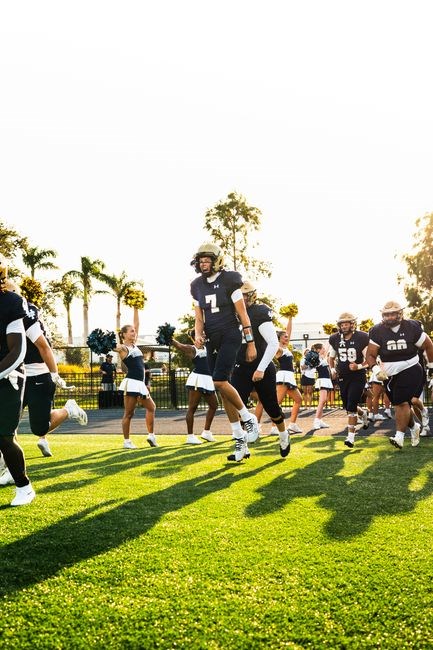
Pre‑warm, dynamic mobility, and core stability drills reduce injury risk; Structured load charts guide progressive overload, while daily foam‑rolling and mobility work aid recovery․ Hydration, protein intake, sleep hygiene support tissue repair daily performance․
4․1 Warm-Up and Mobility Pre-Workouts
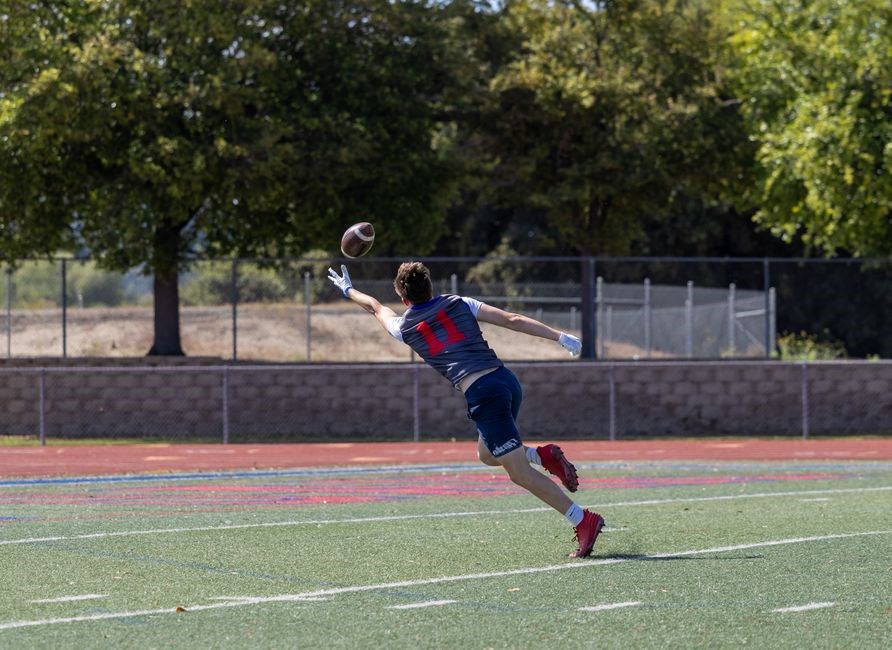
Pre‑workout preparation is critical for Division I football athletes, as the PDF emphasizes a structured sequence that primes the nervous system, increases blood flow, and enhances joint range of motion․ The recommended routine begins with 5–10 minutes of low‑intensity cardio—such as light jogging or cycling—to gradually raise core temperature․ This is followed by mobility drills targeting the hips, thoracic spine, shoulder girdle: hip circles, thoracic rotations, shoulder dislocations with a resistance band, and walking lunges with a twist․ These movements mobilize key joints while activating stabilizing musculature․ After mobility, athletes perform sport‑specific activation exercises․ A series of glute bridges, clamshells, and banded lateral walks engages the posterior chain, while scapular push‑ups and band pull‑downs activate the upper back and rotator cuff․ These exercises are performed at 30–40 % of one‑rep max or body‑weight intensity, ensuring muscular readiness without fatigue․ The PDF also recommends a brief “warm‑up set” for the primary lift of the day—typically 50–60 % of the target load for 8–10 reps to further prepare the targeted muscle groups․ Throughout the warm‑up, athletes monitor heart rate and perceived exertion, aiming for a moderate intensity that allows full range of motion without compromising recovery․ The document stresses the importance of individualized warm‑up protocols, adjusting volume and intensity based on the athlete’s injury history, fatigue status, and training load․
4․2 Core Stability and Isometric Exercises
Core stability is the cornerstone of a Division I football athlete’s performance․ The PDF recommends a systematic isometric routine that begins with a 30‑second plank, followed by a 20‑second side‑plank on each side, and a 15‑second hollow body hold․ Each hold is performed with a controlled exhalation, maintaining a neutral pelvis and thoracic spine․ After the plank series, athletes transition to a 60‑second bird‑dog hold on each side, executed on a Swiss ball to challenge proprioception and glute activation․ The program then introduces a 30‑second farmer’s carry per side to build core endurance under load․ Finally, a 45‑second dead‑bug with a light medicine ball reinforces deep core engagement while preserving joint integrity․ The PDF stresses performing these isometric drills 2–3 times per week, integrating them into the warm‑up or as a dedicated core block after the main lifts․ Coaches monitor form via video analysis, ensuring the pelvis remains level and the thoracic spine does not hyperextend․ Consistently applying these protocols develops a resilient core that supports explosive movements, enhances stability during contact, and contributes to overall athletic longevity․ The integration of these isometric drills into the weekly training cycle not only fortifies the core but also enhances the athlete’s ability to maintain optimal posture during high‑velocity plays, thereby translating to improved on‑field performance and a lower incidence of rotational and axial spine injuries over the course of a demanding season․ Great!!
4․3 Load Management and Progression Charts
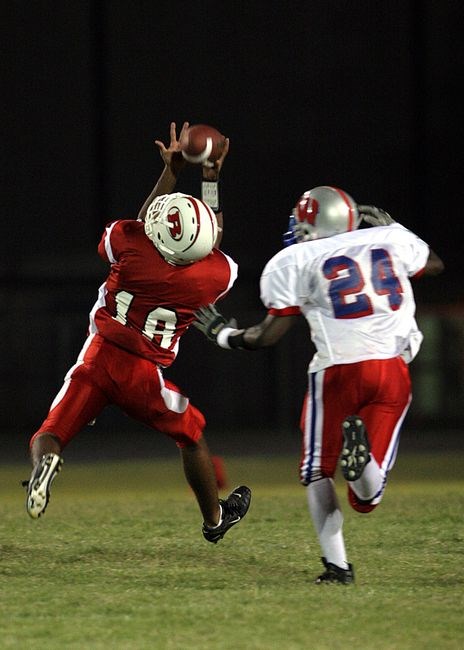
Load management is a cornerstone of the D1 College Football Workout Program PDF, ensuring athletes peak while minimizing injury risk․ The PDF presents a structured progression chart that maps weekly training loads across the season․ Each macrocycle starts with a base‑building phase focused on volume and technique, moves to a hypertrophy phase, and ends with a power and speed phase․ Coaches use a 10‑point rating scale to quantify session intensity, with 1 representing light mobility work and 10 indicating maximal effort lifts․ The progression charts incorporate periodized load increments of 5–10% per week, with a mandatory deload week every 4–6 weeks for physiological recovery․ Athletes’ individual load data are recorded via a digital log, enabling real‑time adjustments․ The PDF also recommends monitoring subjective measures such as RPE, heart rate variability, and sleep quality to fine‑tune load․ By integrating objective metrics with individualized progression, the program maintains an optimal balance between stimulus recovery, supporting sustained athletic development and reducing overuse injuries․ The load charts are designed to be flexible, allowing coaches to adapt to competition schedules, travel demands, player readiness․ This systematic approach to load management is a hallmark of Division I programs, emphasizing data‑driven decision making and athlete‑centric programming․ Coaches adjust weekly loads based on athlete feedback and performance data, keeping the program responsive!

Nutritional Guidelines and Program Availability
Nutrition in the D1 PDF focuses on macro‑ and micronutrient timing, hydration, and recovery shakes․ Players consume 1․5–2․0 g protein/kg, 5–7 g carbs/kg, and 0․3 g fat/kg, with 3–4 L water daily․ The guide is downloadable via the university portal and updated annually․ Athletes eat 3 veg serving daily
5․1 Macro/Micronutrient Targets and Hydration Protocols
In the D1 College Football Workout Program PDF, nutrition is framed around precise macro‑and micronutrient targets that align with training phases․ Athletes are instructed to consume 1․5–2․0 g of protein per kilogram of body weight each day, ensuring muscle repair and growth․ Carbohydrate intake is set at 5–7 g/kg to fuel high‑intensity sessions, while healthy fats are limited to 0․3–0․4 g/kg to support hormone production․ Micronutrients such as iron, zinc, calcium, magnesium, and vitamin D are emphasized, with daily intakes meeting or exceeding 100 % of the recommended dietary allowance (RDA)․ Players track these values using a mobile app that syncs with the program’s digital portal․ Hydration protocols are equally rigorous: athletes must drink 3–4 L of water day, increasing to 5–6 L on game days․ Pre‑game hydration involves a 500 mL isotonic drink 30 minutes before kickoff, while post‑game rehydration includes a 750 mL recovery beverage containing electrolytes and 20 % carbohydrate solution․ The PDF also recommends limiting caffeine to 200 mg per day and avoiding alcohol during the competitive season․ All nutrition plans are reviewed quarterly by the strength and conditioning staff, and adjustments are made based on body composition metrics and performance data․ This systematic approach ensures athletes maintain optimal energy levels, support recovery, and reduce the risk of dehydration‑related injuries․

The program also integrates periodized supplementation, recommending a whey protein shake within 30 minutes post‑workout, a creatine monohydrate dose of 5 g daily, and a multivitamin complex before breakfast․ Coaches monitor hydration status via urine color chartsand adjust fluid intake accordingly․This holistic framework aligns with NCAA guidelines and supports performance throughout the season․


Leave a Reply
You must be logged in to post a comment.