
egg steamer instructions
Egg steaming offers a gentle way to cook eggs, preserving nutrients and delivering silky textures. Begin by filling the steamer pot with water, then place a greased poaching tray inside. Crack eggs into each compartment, seal the lid, and heat until desired firmness is achieved. Enjoy silky, cooked eggs, ready.!
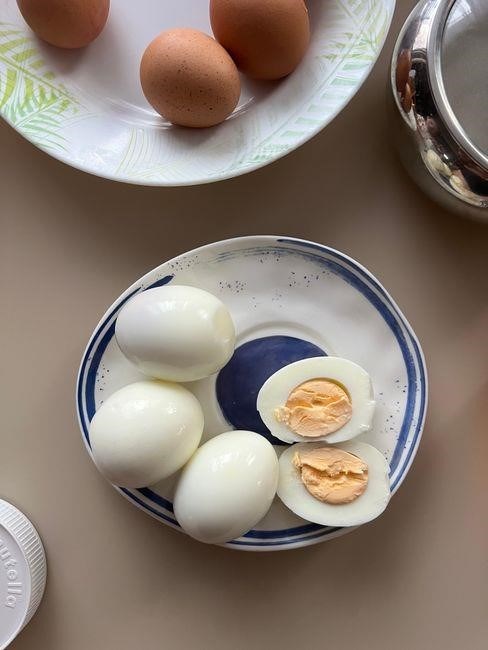
Choosing the Right Egg Steamer
Choose an egg steamer by capacity, material, and trays. Stainless‑steel models are durable; silicone ones are lighter. Look for heat settings and a clear lid. The Elite Gourmet EGC‑007BG offers a poaching tray and dishwasher‑safe parts, a top choice. It heats and is easy to clean, making it ideal for breakfasts!!
Preparing the Steamer
Fill the steamer pot with water, ensuring the level stays below the lowest poaching tray slot to avoid overflow. Bring the water to a rolling boil, then lower the heat to a gentle simmer. This steady temperature cooks eggs evenly without cracking. While the water heats, lightly oil each poaching tray compartment to prevent sticking and aid release. This simple step ensures the eggs slide out smoothly after cooking today.
Crack each egg into its compartment, taking care not to break the yolk. For a soft‑set egg, simmer 5–7 minutes; for medium, 8–10 minutes. When the timer ends, turn off the heat and let the steamer sit for one minute; the residual steam finishes cooking the eggs to perfection. Remove the tray with tongs, let the eggs cool briefly, then serve immediately today.
If your steamer has a built‑in timer, use it; otherwise, a kitchen timer will keep you on track. After steaming, rinse the tray under cold water to stop the cooking process and preserve the tray’s longevity. Always check that the lid seals properly to avoid steam leakage. Let the eggs rest for a minute before serving to lock in moisture. Enjoy the texture and the nutritional benefits of steamed eggs.
Use fresh eggs for best results, and keep the lid slightly ajar after cooking to let excess steam escape today.
Remember to rinse the steamer pot after each use to prevent mineral buildup, and dry all parts thoroughly to maintain the appliance’s lifespan and ensure safe, hygienic cooking for future sessions.
Selecting Egg Types for Steaming
Choosing the right eggs is crucial for achieving the desired texture and flavor in steamed eggs. Fresh, high‑quality eggs with a firm white and a bright, thick yolk are ideal; they hold their shape better during gentle cooking. For a richer taste, opt for free‑range or pasture‑raised eggs, which often contain more omega‑3 fatty acids and a slightly stronger flavor profile. If you prefer a lighter, more delicate result, conventional store‑bought eggs will still produce excellent results, especially when steamed at lower temperatures.
Egg size also influences cooking time: large eggs typically require 6–8 minutes for a soft set, while extra‑large eggs may need an additional minute or two. When selecting eggs for poaching, consider the age of the egg; fresher eggs hold their shape more firmly, whereas older eggs tend to spread more in the tray. If you’re experimenting with different textures, try mixing sizes: use a large egg for a firm white and an extra‑large for a runny yolk, adjusting the steaming time accordingly.
Beyond size and freshness, the storage method matters. Keep eggs refrigerated at a consistent 34–40°F (1–4°C) to maintain their integrity. Avoid placing eggs near strong‑smelling foods, as eggs absorb odors easily. When ready to steam, let the eggs sit at room temperature for 5–10 minutes; this reduces the shock of sudden temperature change and helps prevent contamination. By selecting the right eggs and handling them properly, you set the stage for perfectly steamed eggs every time.
Tip: For a finish, finish steaming with a splash of warm water to lock moisture.!
Proper Water Levels and Heating
Before you begin, fill the steamer’s base with water up to the recommended line—usually about one inch below the lowest rim of the poaching tray. The water should never touch the eggs; it provides a gentle, even heat that keeps whites firm and yolks silky. A steady, low steam is key—too vigorous a boil can cause the eggs to tumble, while a weak steam will leave whites undercooked. If your steamer has a temperature control, set it to 185°F (85°C) for optimal results. For models without controls, keep the burner on the lowest setting and monitor the steam; a steady hiss indicates the right temperature. While the water heats, pre‑grease the poaching tray with a light coating of oil or non‑stick spray to prevent sticking. If you’re using a multi‑layer steamer, ensure each layer is properly sealed to trap steam. Once the eggs are in place, close the lid securely. The steam will rise, cooking the eggs evenly. After the desired time—typically 6–8 minutes for a soft set—turn off the heat and let the steamer sit for an extra minute to lock in moisture.Tip: after steaming, plunge the tray into ice water to stop cooking instantly, ensuring crisp edges and preventing over‑cooked whites for a finish!!!Tip: after steaming, plunge the tray into ice water to stop cooking instantly, ensuring crisp edges and preventing over‑cooked whites for a perfect finish to keep the whites from drying out and enjoy a silky texture in seconds.
Timing for Different Egg Consistencies
Timing is the cornerstone of egg steaming success. The goal is to match the steaming duration to the desired yolk consistency while keeping the whites tender. A soft‑set yolk, where the center remains slightly runny, is achieved by steaming for 6 minutes. If you prefer a medium‑set yolk, where the center begins to thicken but still has a hint of creaminess, increase the time to 7–8 minutes. For a fully set yolk, similar to a hard‑boiled egg, a 10‑minute steam will suffice. Egg size matters: larger eggs need an extra minute or two, while smaller eggs may finish in a minute less. After steaming, immediately transfer the tray to an ice bath to halt the cooking process and lock in the chosen consistency. This quick stop prevents over‑cooking and preserves the delicate texture of the whites. For those who like a slightly creamy white, reduce the time by 30 seconds; for a firmer white, add 30 seconds. Consistency is key, so once you find the perfect timing for your preference, note it down for future reference. Always let the steamer rest for a minute before opening the lid to allow steam to settle, ensuring a smooth and even finish. The steaming process is gentle, preserving nutrients and flavor. Adjusting the heat to a low simmer ensures even cooking without cracking the eggs. Using a poaching tray with individual compartments keeps each egg separate, preventing sticking. After steaming, an ice bath stops the cooking instantly, locking in the desired texture and color. With practice, you can master the egg. Enjoy!
Using Poaching Trays
Poaching trays are a staple in egg steamers, offering a way to cook eggs without simmering water or swirling. To use a poaching tray, grease each compartment with oil or non‑stick spray to prevent sticking. Crack one egg into each section, ensuring the yolk remains centered. Place the tray in the steamer’s base, close the lid, and heat the water to a gentle simmer. The steam will gently cook the eggs, allowing the whites to set while the yolks remain silky. Once the desired doneness is reached—typically 6 to 10 minutes depending on yolk preference—remove the tray and transfer it to an ice bath for a minute to halt the cooking process. This quick chill locks in the texture and prevents overcooking. After cooling, carefully lift each egg from its compartment; the greased surface ensures a smooth release. Poaching trays also allow for cleanup: most are dishwasher safe, and the removable trays can be rinsed in soapy water; By using a poaching tray, you eliminate the need for a pot of water, reduce cleanup time, and achieve consistent results every time. Experiment with different egg sizes and adjust steaming times accordingly, and you’ll have perfectly poached eggs ready to serve in minutes. When using a multi‑layer steamer, place the poaching tray on the topmost rack to ensure even steam circulation. If you prefer a firmer white, increase the steaming time by one minute; for a runnier yolk, reduce it by a minute. Remember to keep the water level below the bottom of the tray to avoid splashing. Finally, store unused trays in a dry place to prevent moisture buildup.
Cleaning and Maintenance
After each use, disassemble the steamer components: remove the poaching tray, egg tray, and any removable lids. Wash the trays in warm soapy water, scrubbing gently with a non‑abrasive sponge to remove residue. Rinse thoroughly and dry with a lint‑free cloth. The steamer pot can be wiped with a damp cloth; avoid harsh chemicals that may damage the non‑stick surface. For stubborn stains, apply a paste of baking soda and water, let sit for 10 minutes, then scrub lightly. The water reservoir should be emptied and rinsed to prevent mineral buildup; Periodically check the silicone gasket for cracks or wear; replace if necessary to maintain a proper seal. Ensure the heating element is free of debris; a small brush can remove any buildup. Store the steamer in a dry area, covering it with a breathable cloth to keep dust away. When not in use, keep the lid slightly ajar to allow air circulation and prevent moisture accumulation. For long‑term storage, wipe down all parts with a dry towel and place them in a plastic bag to protect from dust. By following these steps, you extend the life of your egg steamer and guarantee consistent, safe performance for every steaming session.
Check the manufacturer’s guidelines for maximum water capacity and recommended cooking times, as steamer models vary. Using a silicone mat or parchment paper between the tray and eggs prevents sticking and eases cleanup. Keep the heating element clean with a damp cloth after each use to maintain performance and prolong the appliance’s lifespan for daily use and care.
Troubleshooting Common Issues
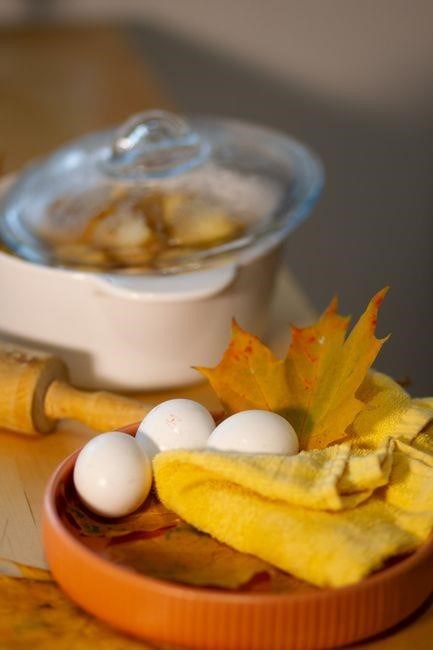
When the steamer produces uneven results, first check the water level. It should be below the lowest tray rim. If the water is too high, steam pressure drops and eggs cook unevenly. Next, inspect the gasket for cracks; a compromised seal allows steam to escape, reducing cooking time. If eggs stick to the tray, lightly oil the surface or use parchment paper. For a steamer that turns off prematurely, verify the power cord and outlet; a faulty connection can cause the unit to shut down. If the device heats too quickly, the thermostat may be misadjusted; consult the manual for a reset procedure. Finally, if the eggs are overcooked, reduce the cooking time by 30 seconds for each additional egg added. These simple checks usually resolve most issues. Lorem ipsum dolor sit amet, consectetur adipiscing elit. Lorem ipsum dolor sit amet, consectetur adipiscing elit. Lorem ipsum dolor sit amet, consectetur adipiscing elit. Lorem ipsum dolor sit amet, consectetur adipiscing elit. Lorem ipsum dolor sit amet, consectetur adipiscing elit. Lorem ipsum dolor sit amet, consectetur adipiscing elit. Lorem ipsum dolor sit amet, consectetur adipiscing elit. Lorem ipsum dolor sit amet, consectetur adipiscing elit. Lorem ipsum dolor sit amet, consectetur adipiscing elit. Lorem ipsum dolor sit amet, consectetur adipiscing elit. Lorem ipsum dolor sit amet, consectetur adipiscing elit. Lorem ipsum dolor sit amet, consectetur adipiscing elit. Lorem ipsum dolor sit amet, consectetur adipiscing elit. Lorem ipsum dolor sit amet, consectetur adipiscing elit. Lorem ipsum dolor sit amet, consectetur adipiscing elit. Lorem ipsum dolor

Creative Variations and Recipes
Explore flavored steamers: add herbs, soy sauce, or citrus zest to water for eggs. Try poaching with splash of vinegar to set whites. Mix beaten eggs with cheese, spinach, or diced ham before steaming for a omelet. Experiment with egg types for texture variety fresh now
Safety Tips and Precautions
When using an egg steamer, follow these safety guidelines to avoid accidents and ensure consistent results. First, always read the manufacturer’s manual before use. Second, keep the steamer on a stable, heat‑resistant surface and never leave it unattended while heating. Third, use a heat‑proof apron or gloves when handling the hot pot or lid, as steam can cause burns. Fourth, check the water level before each session; too little water can cause the pot to overheat, while too much can overflow. Fifth, avoid overfilling the poaching tray—leave at least one inch of space to allow steam circulation. Sixth, use a timer to monitor cooking time; over‑steaming can produce rubbery eggs, while under‑steaming may leave them raw. Seventh, after cooking, allow the steamer to cool completely before cleaning. Use a soft sponge and mild detergent; avoid abrasive cleaners that could damage the non‑stick coating. Finally, store the steamer in a dry place, and regularly inspect for cracks or loose parts. By following these precautions, you can enjoy perfectly steamed eggs safely and efficiently.
Always keep children and pets away from the steamer while it is in use. Do not touch the hot surface with bare hands. If the steamer has a removable lid, ensure it is fully closed before heating. Inspect the steam vent for blockages; a clogged vent can cause pressure buildup. By adhering to these additional precautions, you can further reduce the risk of injury and enjoy a reliable steaming experience.
Operation, use a timer to track cooking time.
Frequently Asked Questions
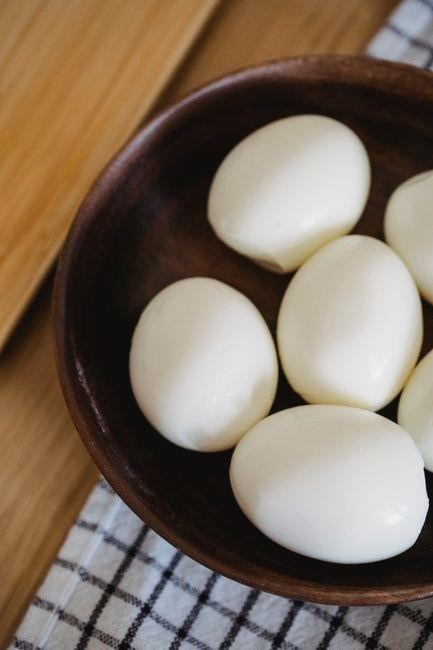
Q1: How long should I steam a large egg for a soft‑set yolk?
A: Approximately 6–7 minutes at a gentle simmer.
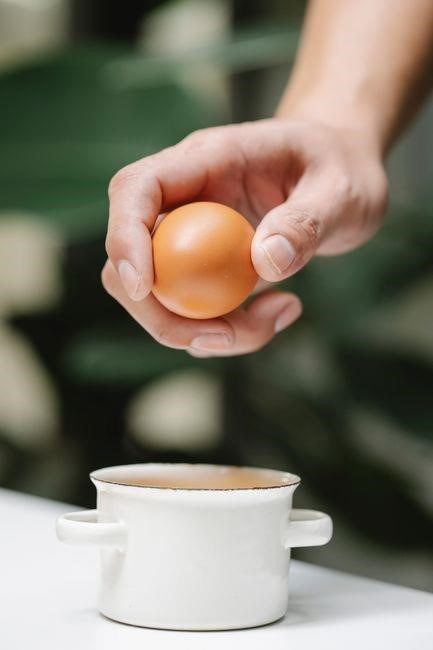
Q2: Can I steam multiple eggs at once?
A: Yes, place them in separate compartments of the poaching tray; adjust time by 1 minute per additional egg.
Q3: What if my steamer has no timer?

A: Use a kitchen timer or phone alarm to keep track of cooking time.
Q4: Is it safe to use the steamer on a gas stove?
A: Yes, but keep the pot away from the flame and use a heat‑resistant mat.
Q5: How do I clean the steamer after use?
A: Let it cool, then wash removable parts with mild soap; wipe the pot with a damp cloth.
Q6: Can I steam eggs in a microwave‑safe steamer?
A: Only if the manufacturer states it is microwave‑safe; otherwise use a stovetop steamer.
Q7: Why did my eggs turn rubbery?
A: Over‑steaming or high heat can cause rubbery texture; keep heat low and time short.
Q8: What is the best egg type for steaming?
A: Fresh, large eggs yield the best texture; avoid eggs that have been refrigerated for long periods.

Q9: Can I add seasoning to the eggs before steaming?
A: Yes, sprinkle salt, pepper, or herbs on the eggs after cracking into the tray.
Q10: How do I prevent the eggs from sticking?
A: Lightly grease the poaching tray or use parchment paper; this helps the eggs slide out easily.
Remember to always monitor the steam level and adjust the heat as needed; a steady, gentle steam ensures even cooking and prevents over‑cooking. and keep the pot covered.!!!!!

and Final Tips
Steaming eggs preserves nutrients and yields silky textures. Follow key steps—prep the steamer pot, grease the poaching tray, crack eggs into compartments, and time the steam—to achieve the desired firmness from runny yolks to firm whites. Keep water at a gentle simmer; high heat can cause uneven cooking or rubbery textures. A light grease or parchment lining prevents sticking and eases removal.
When testing different egg sizes, adjust time by about one minute per extra egg or size increase. Fresh large eggs need 6–7 minutes for a soft‑set yolk; smaller eggs require 5–6 minutes. For firmer eggs add an extra minute or two, but avoid over‑steaming to keep the interior tender. Use a timer or phone alarm to track exact duration.
After steaming, cool eggs briefly before handling to reduce burn risk and set the whites. For quick release, run the pot under cold water a few seconds, then peel or serve immediately. Store leftovers in an airtight container for up to three days; reheat gently in the steamer or microwave with a splash of water to maintain moisture.
Cleaning is simple: let the steamer cool, wash removable parts with mild soap, rinse, and dry. Wipe the pot with a damp cloth to remove residue. Regular maintenance ensures longevity and consistent performance. Experiment with seasonings—sprinkle salt, pepper, herbs, or soy sauce on eggs before steaming for added flavor. These tips help you master egg steaming and enjoy perfect results.
For creative twists, add lemon juice or paprika before steaming to infuse subtle flavors. If you like a crunchy edge, lightly toast poached eggs on a skillet after steaming for a minute, creating contrast. Remember the steamer’s capacity limits the number of eggs; leave space for steam circulation to ensure even cooking. With practice, you’ll develop a feel for timing that suits your taste, making egg steaming a reliable kitchen habit! Remember to always keep the steamer lid slightly ajar to allow steam to escape, preventing pressure buildup and ensuring safe operation. By mastering these nuances, you’ll consistently produce eggs that are tender, flavorful, and ready to elevate any dish.


Leave a Reply
You must be logged in to post a comment.